
Home Improvement
Mulch & Topsoil Calculator
Work out how much mulch, compost or topsoil a bed needs. Enter the bed dimensions and depth to get cubic feet, cubic yards, bags required and an estimated cost delivered or bought by the bag.
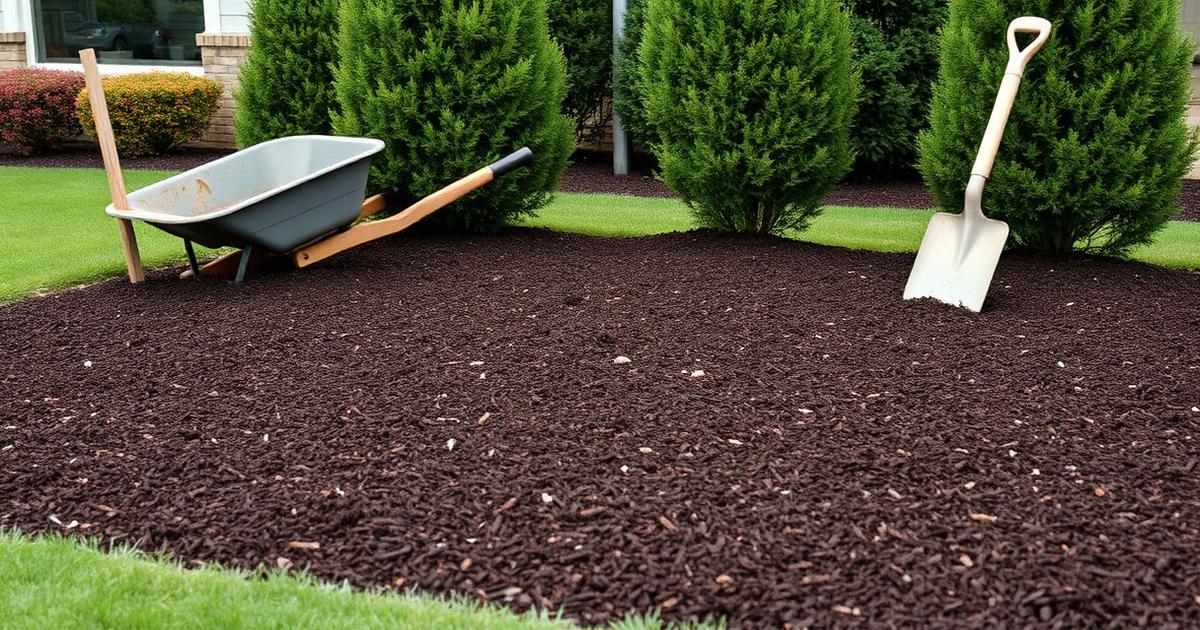
How much mulch or topsoil do I need?
Multiply bed length × width × depth (all in feet) for cubic feet, divide by 27 for cubic yards. A 20 ft × 10 ft bed at 3 inches deep is 50 ft³, about 1.85 yd³ once a 10% waste allowance is added — around 25 bags of 2 cubic feet each.
Key takeaways
- Volume scales directly with depth, so keep the depth entry in the unit you actually measured.
- Bulk density varies a lot by material — cedar mulch is much lighter than topsoil at the same volume.
- A 5-15% waste allowance covers settling, spillage and an uneven bed surface.
- Bulk delivery by the cubic yard is usually cheaper than bags once you need more than a yard or two.
- Bags are sold by cubic feet, not cubic yards, so always check the bag label before comparing prices.
Enter your details
Estimated result
Material needed
2.04 cubic yards
55 cubic feet total
- Bags needed
- 28
- Estimated cost
- $71
Volume
- Base volume
- 50 ft³
- Waste allowance (10%)
- 5 ft³
- Total volume
- 55 ft³
- Cubic yards
- 2.04 yd³
- Cubic meters
- 1.56 m³
Weight, bags & cost
- Density used
- 44 lb/ft³
- Estimated weight
- 1.21 tons
- Bags required
- 28 bags of 2 ft³
- Material cost
- $71
- Delivery
- $0
- Estimated total
- $71
- Mulch settles over time, so a fresh bed often looks a little thinner after the first few waterings — this is normal and covered by the waste allowance.
Your result is an estimate based on the information entered.
Calculated in your browser
This calculator runs locally; your exact figures are not sent to our servers. Anonymous usage events (calculator name, field names, rounded value ranges) are recorded by Google Analytics — see the privacy policy.
HomeCalc USA — Mulch & Topsoil Calculator
Generated
Inputs
- Bed length: 20
- Length unit: Feet
- Bed width: 10
- Width unit: Feet
- Depth: 3
- Depth unit: Inches
- Material: Shredded hardwood mulch (~44 lb/ft3)
- Waste allowance: 10
- Purchase as: Bulk by the cubic yard
- Price per cubic yard (bulk): 35
- Delivery fee: 0
Results
Material needed: 2.04 cubic yards
- Base volume: 50 ft³
- Waste allowance (10%): 5 ft³
- Total volume: 55 ft³
- Cubic yards: 2.04 yd³
- Cubic meters: 1.56 m³
- Density used: 44 lb/ft³
- Estimated weight: 1.21 tons
- Bags required: 28 bags of 2 ft³
- Material cost: $71
- Delivery: $0
- Estimated total: $71
Assumptions
- The bed is rectangular and the depth is uniform.
- Density is the loose bulk density of the material as delivered or bagged.
- The waste allowance covers settling and spillage.
- One short ton is 2,000 pounds.
Estimates are for informational purposes only and may differ from actual costs, lender offers, tax assessments or contractor quotes.
What your result means
The primary result is the order volume including your waste allowance, shown in cubic yards (how bulk suppliers quote) and as a bag count (how retail garden centers sell). The weight depends on the material selected — topsoil can weigh nearly twice as much as the same volume of shredded bark mulch.
How to use this calculator
Measure the bed and enter its length and width, choosing the unit that matches your tape measure — you can mix units, for example feet for length and inches for depth.
Depth is the finished thickness of the layer once spread. Typical figures are 2-3 inches for mulch top-ups, 3-4 inches for a new mulch bed, and several inches of topsoil when building up a planting area.
Select the material so the correct density is used, or enter your own if your supplier publishes one. Add a waste allowance to cover settling, spillage and an uneven bed surface.
Choose bulk or bagged purchasing to see the matching cost estimate, and split irregular beds into rectangles, running the calculator for each and adding the results together.
What each input means
| Input | What it means |
|---|---|
| Bed length / width | Footprint of the planting bed measured at ground level. |
| Depth | Finished thickness of the mulch or soil layer once spread and lightly settled. |
| Material | Sets bulk density in lb/ft³ for the weight estimate; pick the closest preset. |
| Waste allowance | Extra volume for settling, spillage and an uneven bed surface. |
| Purchase mode | Whether you plan to buy loose bulk material by the yard or pre-packaged bags. |
| Bag size | Cubic feet per bag, printed on the bag label — commonly 1, 2 or 3 cubic feet. |
Formula used
Volume (ft³) = length (ft) × width (ft) × depth (ft)
Depth entered in inches is converted first: inches ÷ 12 = feet.
Cubic yards = cubic feet ÷ 27
Bags needed = round up(cubic feet ÷ bag size in cubic feet)
The waste allowance multiplies the base volume: total = base × (1 + waste ÷ 100). Cost is either the cubic yards multiplied by the price per yard, or the bag count multiplied by the price per bag, plus any flat delivery charge.
Worked example
A planting bed 20 ft long and 10 ft wide with 3 inches of hardwood mulch:
20 × 10 × (3 ÷ 12) = 50 cubic feet
Adding a 10% waste allowance gives 55 cubic feet, which is 2.04 cubic yards. At $35 per yard delivered, the material cost is about $71. Bought as 2-cubic-foot bags instead, that is 28 bags — at $4.50 per bag, roughly $126.
For a bed with a topsoil layer under new mulch, run the calculator twice — once per material and depth — then add the cubic-yard results together for the total order.
How deep should mulch be?
Most landscape beds do well with 2 to 4 inches of mulch. Less than that breaks down too fast and lets weeds through; more than 4 inches can suffocate roots and trap excess moisture against stems and trunks.
Is it cheaper to buy mulch in bulk or by the bag?
Bulk mulch delivered by the cubic yard is almost always cheaper per cubic foot than bagged mulch, often by half or more, but it requires a delivery minimum and somewhere to dump the pile. Bags are more convenient for small beds or when you need only a partial yard.
How is topsoil different from mulch for this calculator?
Both are handled the same way — a volume calculation based on area and depth — but topsoil is denser than shredded bark mulch, so the same cubic footage weighs more. Select the correct material so the weight and bag-count figures are accurate.
Factors that change the result
- Bulk density
- Lightweight materials like cedar mulch need fewer tons for the same volume than dense topsoil or garden soil blends.
- Moisture content
- Damp mulch and soil weigh more than dry bulk-density figures suggest, which can affect delivery weight estimates.
- Bed shape
- Curved or irregular beds should be split into rectangles and calculated separately, then added together.
- Settling over time
- Mulch compresses and decomposes, typically losing 10-20% of its depth over a season, which the waste allowance partly offsets.
- Existing mulch layer
- Topping up an existing bed needs less new material than starting from bare soil at the same finished depth.
- Plant crowns and trunks
- Mulch should be pulled back a few inches from stems and trunks, slightly reducing the effective coverage area.
Common mistakes to avoid
Mulching too deep
More than 3-4 inches can trap moisture against stems and roots, encouraging rot and pests rather than helping the bed.
Mixing up bags and cubic yards
A cubic yard is 27 cubic feet, so a bed needing 2 yards needs roughly 27 two-cubic-foot bags, not 2.
Ignoring the waste allowance
Spillage, an uneven bed surface and settling mean the exact calculated volume rarely covers the job with nothing left over.
Piling mulch against trunks and stems
Volcano mulching against a trunk holds moisture and invites rot; keep a gap around the base of plants.
Using the wrong density for topsoil vs mulch
Topsoil is roughly twice as dense as bark mulch, so using a mulch density understates the delivered weight.
Practical tips
- Measure depth in inches for accuracy — small fractions of a foot are easy to mis-key.
- Buy bulk material when you need more than 2-3 cubic yards; it is almost always cheaper than bags.
- Leave a few inches of bare soil around plant stems and tree trunks when spreading mulch.
- Top up existing beds rather than fully replacing them each year to save on material.
- Order a little extra for touch-ups later in the season since color can fade unevenly.
When the estimate may differ from reality
Actual quantities can differ from this estimate because of moisture content, how tightly bagged material is compressed, and how evenly the bed surface is graded before spreading. Bulk suppliers may also round to their nearest load size, so confirm the exact order amount before delivery.
Assumptions and limitations
What this calculator assumes
- The bed is rectangular and the depth is uniform.
- Density is the loose bulk density of the material as delivered or bagged.
- The waste allowance covers settling and spillage.
- One short ton is 2,000 pounds.
What it does not account for
- Bed edging, weed fabric and soil amendments beyond the mulch or topsoil itself.
- Removal of existing mulch or vegetation before installation.
- Sales tax, fuel surcharges and minimum delivery fees.
- Ongoing top-ups as mulch decomposes and settles over the season.
Frequently asked questions
- How deep should mulch be around trees and shrubs?
- 2 to 4 inches is typical, spread in a wide ring rather than piled against the trunk. Deeper mulch traps moisture against bark and can encourage rot and pests.
- How many bags of mulch are in a cubic yard?
- A cubic yard is 27 cubic feet, so it takes about 13-14 bags of 2-cubic-foot mulch, or roughly 9 bags of 3-cubic-foot mulch, to equal one cubic yard.
- How often should mulch be replaced or topped up?
- Organic mulches like shredded hardwood typically need a top-up once a year as they decompose and settle, often losing an inch or more of depth over a season.
- Is topsoil the same as garden soil or compost?
- No. Topsoil is unamended native soil sold for grading and filling. Garden soil blends often mix topsoil with compost and other amendments, and compost alone is decomposed organic matter used to enrich existing soil rather than build it up.
- Should I buy mulch in bulk or in bags?
- Bulk mulch delivered by the cubic yard is usually cheaper once you need more than 2-3 cubic yards, but it requires space to dump the pile and typically a delivery minimum. Bags are more convenient for small beds or touch-ups.
- Does mulch color or type affect how much I need?
- No — color is cosmetic and doesn't change bulk density meaningfully within a mulch type, but switching between mulch types (for example cedar versus rubber mulch) changes both the density and the recommended depth.
- How much topsoil do I need to fill a raised bed?
- Use the same length × width × depth calculation with the bed's internal dimensions and the depth of soil you want to add. Many raised beds mix topsoil with compost, so you may want to run this calculator once per material and combine the results.
Sources and references
- USDA NRCS — soil and mulch guidance — Background on soil amendments and mulching practices.
Related guides
- How Much Gravel Do I Need?Convert length, width and depth into cubic yards and tons of gravel, choose a realistic depth, and understand why tonnage varies by product.
Related calculators
- Gravel CalculatorEstimate gravel volume in cubic yards and weight in tons for driveways, paths and beds.
- Concrete CalculatorCalculate concrete volume for slabs, footings, sidewalks, patios and post holes.
- Home Renovation Cost CalculatorBuild a transparent renovation budget from your own material, labor and contingency inputs.
- Flooring CalculatorWork out square footage and how many boxes of flooring to order, including waste.